
Table of Contents
ToggleThe voice acting in Genshin Impact does something most mobile and console games struggle with: it elevates the entire experience. Whether you’re exploring Teyvat in English or Japanese, the performances feel authentic and emotionally grounded. These aren’t throwaway voiceover gigs for voice actors, they’re career-defining roles that resonate with millions of players worldwide. As Genshin Impact continues to expand with new regions, characters, and storylines, the vocal talent behind these beloved heroes and villains deserves recognition. This guide breaks down the English and Japanese voice cast, explores how HoYoverse selects its actors, and shows you why voice acting matters so much in making your favorite genshin impact characters feel alive.
Key Takeaways
- Genshin Impact voice actors deliver career-defining performances across both English and Japanese dubs, with equal production quality and industry recognition that elevate the entire gaming experience.
- Major voice talents like Keith Szarabajka (Venti), Cristina Valenzuela (Nahida), and David Matranga (Zhongli) have become iconic in gaming culture, boosting their careers while setting new standards for voice acting in games.
- HoYoverse’s multilingual casting process prioritizes character fit and emotional authenticity over fame, involving auditions, character workshops, and meticulous voice direction to ensure consistent, nuanced performances.
- Community reception strongly correlates character popularity with voice performance quality, with standout performances like Jonah Scott’s Bennett and Jād Saxton’s Fischl earning widespread praise for balancing personality quirks with genuine emotion.
- Future expansions of Genshin Impact will continue scaling voice acting demands across new characters and languages, creating more opportunities for emerging talent while maintaining the production quality that distinguishes the franchise globally.
Who Are the Main Voice Cast Members?
English Dub Leads
The English voice cast of Genshin Impact reads like a who’s who of professional voice actors, anime dubbing veterans, and emerging talent. Characters like Lumine (the female Traveler) and Aether (the male Traveler) are voiced by Erica Lindbeck and Zach Aguilar, respectively. Lindbeck brings warmth and determination to Lumine, while Aguilar captures Aether’s earnest, curious energy as you journey through unfamiliar worlds.
Venti, the mischievous Anemo Archon, is voiced by Keith Szarabajka, a seasoned professional whose comedic timing and emotional depth have made Venti one of the most beloved characters in the game. Barbatos’ past lives and present playfulness require nuance, and Szarabajka delivers both effortlessly.
Fischl, the Investigator for the Adventurers’ Guild, gets her eccentric personality nailed by Jād Saxton. Her theatrical delivery and dramatic flair perfectly match Fischl’s eccentric “Investigator Fischl” persona and her deadpan humor when interacting with party members. These voices aren’t just reading lines, they’re embodying the soul of each character.
The supporting cast continues to impress with names like Griffin Burns (Kazuha), Cristina Valenzuela (Nahida), and David Matranga (Zhongli), each bringing seasoned experience to their roles. Valenzuela’s ethereal, gentle performance as the Dendro Archon contrasts beautifully with Matranga’s authoritative yet warm delivery as the retired Geo Archon.
Japanese Dub Legends
Japan’s voice acting industry has always excelled at bringing emotion and nuance to characters, and Genshin Impact’s Japanese cast proves this consistently. Aether is voiced by Terashima Takuma, while Lumine is performed by Tanaka Rie, both veteran seiyuu (voice actors) with extensive anime experience.
Venti in Japanese is voiced by Murata Taito, whose higher-pitched, playful delivery captures the Archon’s mischievous nature perfectly while maintaining authenticity. Each region release in Genshin Impact has allowed the Japanese voice cast to expand significantly, with legendary seiyuu taking major roles.
Fischl’s Japanese voice actress is Tomi Yatsuka, known for bringing theatrical energy to comedic characters. Zhongli’s Japanese voice, performed by Masayuki Omoro, carries the weight of someone who’s lived through millennia of history. The Japanese dub consistently prioritizes character nuance and emotional resonance over literal translation, which explains why many players prefer it.
What makes both dubs remarkable is that HoYoverse treats them with equal importance. Neither feels like the “secondary” option, both English and Japanese casts receive full studio treatment, direction, and promotion. This commitment to multilingual quality has made Genshin Impact a benchmark for how gacha games should handle voice acting.
Iconic Character Voices and Their Performances
Traveler and Paimon
The Traveler, your player character, needs to feel like a blank slate while still having personality. Erica Lindbeck and Zach Aguilar manage this paradox beautifully by keeping their performances grounded and reactive rather than over-the-top. They respond authentically to the absurdity of Teyvat while maintaining the sense that you’re exploring everything for the first time.
Paimon, your floating companion, could have been unbearable. Instead, voice actress Sophie Buddle makes her endearing through perfect comic timing and genuine moments of concern for the Traveler. Paimon’s constant “emergency food” jokes land because Buddle’s delivery has warmth beneath the humor. In the Japanese version, Sora Amamiya handles Paimon with similar charm, making the character feel essential rather than annoying, a feat not all floating companions achieve.
Archon Characters
Every Archon needs to feel like a god, and the voice casting across both languages achieves this through different approaches. Venti sounds like a bard who happens to be divine: Keith Szarabajka captures the duality of someone powerful choosing levity over dominance. His emotional moments during Venti’s character quest hit harder because you’ve grown accustomed to his lighter tone.
Morax/Zhongli represents thousands of years of authority. David Matranga’s performance carries weight, he speaks slowly, deliberately, as though every word has been considered for centuries. This contrasts sharply with younger characters and makes interactions feel more significant. In the Japanese version, Masayuki Omoro achieves similar gravitas through a deeper vocal register and measured pacing.
Nahida, the youngest Archon, was a casting challenge. Cristina Valenzuela delivers a performance that sounds childlike without being annoying, wise without sounding condescending. Her curiosity feels genuine, and her moment of doubt during her story quest showcases incredible emotional range. The Japanese version with Hino Akiko similarly balances innocence with intellectual authority.
Raiden Shogun’s dual nature, the Archon and the puppet, required voice actress Jād Saxton to deliver performances that feel simultaneously identical and distinct. This subtle vocal work elevated one of Genshin Impact’s most complex characters.
Fan-Favorite Side Characters
Some of the best voice acting happens with characters who could have been forgettable. Kazuha, voiced by Griffin Burns in English, sounds like someone who’s seen too much beauty and tragedy to be cynical about it. His poetic nature comes through in how Burns delivers even casual dialogue. The Japanese seiyuu for Kazuha, Shinichiro Kamio, brings similar poetic weight in a different vocal texture.
Bennett, voiced by Jonah Scott, embodies the energetic, optimistic adventurer perfectly. Scott’s performance captures Bennett’s desperate hope even though constant misfortune, he sounds genuinely happy even when things go wrong, which is the core of his character. This makes Bennett endearing rather than pathetic.
Fischl’s investigation shtick could have been annoying, but Jād Saxton’s theatrical delivery and Tomi Yatsuka’s Japanese performance make her delightful. The key is that both actresses commit fully to the bit while allowing moments of genuine emotion to shine through, you believe Fischl cares deeply beneath the eccentricity.
Childe/Tartaglia, voiced by Kaiji Tang in English and Yichao Shen in Japanese, required an actor who could sound charming and friendly while suggesting underlying danger. Both versions nail the duality, he sounds like your friend until you remember he’s harboring world-ending ambitions.
How HoYoverse Casts Voice Actors
Selection Process and Auditions
HoYoverse’s casting process for Genshin Impact English voice actors involves talent agencies, open submissions, and direct scouting. The company works with established voice acting agencies to find the right fit for each character archetype. Rather than defaulting to “the most famous voice actor available,” HoYoverse prioritizes character fit and vocal range compatibility.
For major character releases, the company holds auditions where voice actors perform character sides, scripts specifically written to showcase a character’s personality and vocal requirements. Casting directors listen for not just technical proficiency but also chemistry and uniqueness. They’re looking for voices that haven’t been heard a thousand times before in similar roles.
New seiyuu and voice actors don’t get overlooked either. Emerging talent gets opportunities alongside established professionals, which keeps the voice cast fresh. This approach has resulted in some breakthrough performances from younger voice actors who’ve used Genshin Impact as a launching pad for larger roles.
The company also conducts character workshops where selected voice actors meet directors, character designers, and narrative teams to understand the character’s arc, personality quirks, and relationship dynamics before recording begins. This investment in pre-production pays off in the quality of performances, actors understand not just what they’re saying but why.
Multilingual Recording Strategy
Recording voice acting simultaneously for English, Japanese, Chinese, and Korean versions presents logistical challenges. HoYoverse doesn’t simply translate scripts, it adapts them to preserve character voice and tone while working within each language’s natural rhythms and cultural context.
English voice sessions typically occur at major recording studios in Los Angeles or other entertainment hubs. Japanese seiyuu are often recorded at studios in Tokyo, while Chinese voice actors work in studios across China. These aren’t cheaper versions of “the original dub”, each recording receives equal budget, direction, and technical quality.
The timing of character releases means casting decisions for upcoming characters are made months in advance. HoYoverse plans voice acting sessions around character release schedules, often recording multiple characters simultaneously to maximize studio efficiency while maintaining individual attention for each performance.
When a character appears in cutscenes, story quests, and events, voice actors may record dozens of lines across multiple sessions. For major story moments like Archon quests, recording can span days to capture emotional arcs and ensure consistency. This isn’t a quick voiceover job, it’s legitimate voice acting production work.
Behind-the-Scenes: Voice Acting in Genshin Impact
Studio Sessions and Recording Challenges
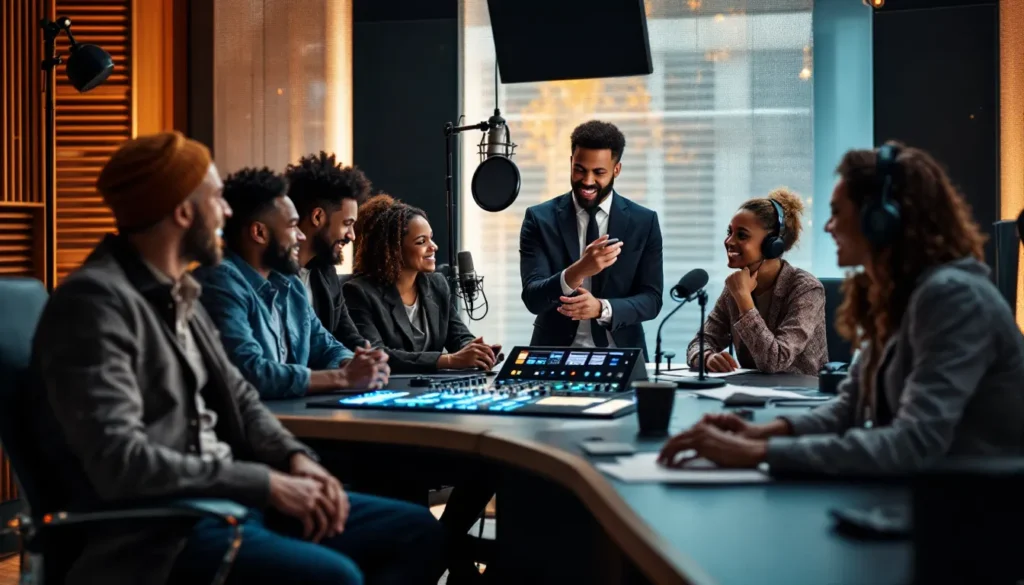
A typical voice acting session for Genshin Impact runs 3-4 hours, though recording for major story characters can extend longer. Voice actors arrive at the studio, receive scripts (often with minimal context to maintain story surprises), and get briefed by the director on character motivation and emotional stakes.
Unlike pre-recorded animation voicing where actors match character lip-sync, Genshin Impact’s voice acting is typically recorded cleanly, then matched to animation afterward. This gives actors freedom to focus purely on performance without worrying about landing specific syllables at specific frames.
Technical challenges exist: voice actors must maintain consistent character voice across dozens of lines recorded over months, sometimes with weeks between sessions. They need to recall Fischl’s theatrical delivery from a session three months prior, even if they’ve recorded five other characters since then. Directors play audio examples and keep detailed notes on character voice qualities to maintain consistency.
Emotional scenes present unique challenges. When recording a character’s death scene or major emotional revelation, actors need to access genuine emotion while maintaining technical control, the microphone picks up everything, including breath, so actors learn to control their breathing while staying emotionally open. This is harder than it sounds, which is why experienced voice actors command higher rates.
HoYoverse supports voice actors by providing context when possible. For story moments, directors explain the narrative surrounding the scene, allowing actors to deliver emotionally appropriate performances. For comedic lines, they discuss tone and timing. This collaborative approach results in performances that feel intentional rather than robotic.
Character Direction and Voice Direction
Voice direction for Genshin Impact is meticulous. Directors work from detailed character briefs that cover personality traits, speech patterns, emotional state, and relationship dynamics with other characters. A voice director might tell an actor: “This is Venti after losing an important friend, you’re still playful, but there’s sadness underneath. Don’t cry, but let the listener hear the weight.”
Multiple takes are recorded for emotional lines, allowing directors to capture different emotional intensities and pick the best option. A line like “I will never let you suffer again” might be recorded five times: sincere and quiet, passionate and loud, resigned and tired, loving and gentle, and angry and determined. Editing combines the best performance with the best technical audio quality.
Character-to-character dynamics influence direction too. When Fischl and Bennett record scenes together, the director ensures their comedic timing creates genuine moments of humor rather than overlapping dialogue or awkward pacing. Some characters have established rapport (they’ve recorded together before), while others are meeting for the first time, this affects how direction is approached.
Voice directors also watch for common pitfalls: over-acting that sounds cartoonish, under-acting that feels flat, or deliver that doesn’t match the emotional weight of the scene. They coach actors on pacing, emphasis, and emotional arcs within individual scenes.
For Genshin Impact characters male and female alike, voice direction recognizes that authenticity matters more than falling into gender stereotypes. Male characters shouldn’t all sound tough: female characters shouldn’t all sound cute. The focus is on the specific personality of each character, not their gender.
Notable Voice Actor Achievements and Recognition
Award Nominations and Wins
Voice acting in games rarely receives mainstream awards recognition, but gaming industry awards increasingly celebrate vocal performances. Several Genshin Impact voice actors have received nominations and wins at industry events. The Game Awards, which include a “Best Performance” category, has recognized excellence in character voice acting.
Cristina Valenzuela’s work as Nahida earned critical acclaim from gaming communities, with many players praising her ability to make the Archon feel simultaneously young and ancient. Her career has expanded significantly on the back of her role, with other major gaming and anime projects seeking her talent.
David Matranga’s portrayal of Zhongli has been celebrated for bringing gravitas and emotional depth to a character that could have been one-dimensional. His performance elevated the character’s story quest, which many consider one of Genshin Impact’s finest narrative moments.
While formal gaming awards don’t always spotlight voice actors the way they do streamers or esports players, voice acting communities recognize and celebrate exceptional performances. Genshin Impact’s English and Japanese voice casts have become reference points for quality voice work in the gaming industry.
Career Boosts and Industry Impact
For emerging voice actors, landing a role in Genshin Impact can be career-altering. The game has millions of players worldwide, meaning voice performances reach an enormous audience. Voice actors who deliver strong performances gain industry visibility and can leverage that success into higher-profile projects.
Several Genshin Impact voice actors have booked subsequent roles in other popular games, anime series, and animated films. The exposure and credibility gained from performing in a game with Genshin Impact’s scale opens doors that might otherwise take years to access.
Established voice actors benefit differently, they gain association with a massively successful franchise and reach new audiences. Voice actors in their 40s and 50s who might be known for anime work discover that a generation of gamers knows them as “Zhongli’s voice” or “Venti’s voice.” This cross-demographic appeal is valuable in an industry that often focuses on younger talent.
The quality bar set by Genshin Impact’s voice direction also influences industry standards. Other gacha games and mobile RPGs have increased their investment in voice acting, partly because Genshin Impact demonstrated that quality vocal performances matter to player engagement and satisfaction. This benefits all voice actors in gaming, more opportunities, higher budgets, and greater respect for the craft.
According to reporting from Gematsu, the Japanese gaming industry has increasingly recognized voice acting’s importance in character-driven narratives, with studios allocating more resources to seiyuu recruitment and direction. Genshin Impact’s success influenced this trend globally.
Community Reception and Fan Favorites
Most Beloved English Voice Performances
The Genshin Impact community has strong opinions about voice acting, and certain performances have achieved near-universal praise. Bennett’s voice actor Jonah Scott consistently tops community “favorite voice performances” lists. Players love how Scott captures Bennett’s optimistic energy even though constant bad luck, it’s a surprisingly difficult tone to nail, and Scott makes it sound effortless.
Fischl’s performance by Jād Saxton generates enthusiastic community support. Fans appreciate that Saxton commits fully to the eccentric “Investigator Fischl” persona while making moments of genuine emotion land. The theatrical delivery shouldn’t work for a character you’re supposed to take seriously in story moments, yet it does because of Saxton’s skill.
Kaiji Tang’s Childe is frequently praised for balancing charm and menace. Community discussions often highlight how Tang’s vocal performance makes Childe likeable while maintaining an edge of danger. He sounds like someone you’d want to be friends with while knowing it’s probably a terrible idea, exactly the character intent.
Nahida’s voice actress Cristina Valenzuela earned widespread approval for making the Dendro Archon feel genuinely wise without sounding condescending toward the Traveler. The balance between childlike wonder and ancient knowledge is subtle work, and fans recognize the skill required.
Zhongli’s David Matranga became iconic among players for his measured, authoritative delivery. Community reactions to Zhongli’s character quest were significantly enhanced by Matranga’s performance, the emotional moments land harder because his baseline is so grounded and reliable.
Community sentiment often notes that even “minor” character voice work in Genshin Impact exceeds expectations. You’ll find players praising the voice acting for one-off NPCs in regions and story quests, which speaks to HoYoverse’s commitment to casting quality across all character types, not just major roles.
Japanese Dub Standouts
The Japanese voice acting community celebrates Genshin Impact’s seiyuu with equal enthusiasm. Murata Taito’s Venti is beloved for capturing the Archon’s playful nature while suggesting depth beneath the surface. Seiyuu fans often compare his performance to successful anime character roles, noting that the quality matches or exceeds typical anime voice work.
Tanaka Rie’s Lumine and Terashima Takuma’s Aether provide excellent Traveler voices. Tanaka brings warmth and determination, while Terashima delivers earnest curiosity. Both seiyuu have extensive anime backgrounds, and their experience translates into nuanced, professional performances.
Masayuki Omoro’s Zhongli is frequently cited as one of the best Japanese voice performances in gaming. The authority and weariness conveyed through vocal performance alone is impressive, players feel Zhongli’s age and experience through Omoro’s delivery.
For Genshin Impact Lyney, the Fontaine Trickster, both English and Japanese voice casts received praise for capturing his showman personality while suggesting hidden depths. This character required voice actors who could shift between performance (Lyney’s magician act) and authenticity (his genuine self), and both versions succeeded.
Community preference for English vs. Japanese dubs often comes down to personal taste rather than objective quality differences. Players who prefer the English dub cite familiarity and how natural the English delivery sounds. Japanese dub enthusiasts praise the emotional resonance and dramatic pacing typical of seiyuu performances. Both camps are right, both dubs are genuinely excellent.
Community discussions frequently highlight that best genshin impact characters feel “best” partly because of voice acting. A character’s popularity often correlates with voice performance quality, though character design and mechanics matter too.
Future of Genshin Impact Voice Acting
As Genshin Impact enters 2026 and beyond, voice acting will likely become even more crucial to the game’s success. Upcoming regions and characters mean constant demands for new voice talent, and HoYoverse has shown no signs of cutting corners on production quality.
The expansion to new voice languages continues. While English, Japanese, Chinese, and Korean remain primary, HoYoverse has tested additional language dubs in select regions. As the game grows globally, more languages may receive official voice acting, creating opportunities for voice actors in markets traditionally overlooked by major gaming projects.
Technological advancements in audio engineering and voice direction tools will likely enhance the recording process. Real-time voice modulation, advanced EQ, and AI-assisted audio cleanup might streamline sessions while maintaining the artistry of performances. But, the human element, the actor’s emotional delivery, remains irreplaceable.
Character crossovers and collaborations with other properties introduce interesting challenges. When characters from other franchises appear in Genshin Impact (or vice versa), coordinating voice acting across different production schedules and companies requires careful planning. This complexity increases as the game expands.
Fan demand for more character interaction lines grows as the roster expands. Each new character potentially records interactions with dozens of existing characters. This scaling challenge means voice acting budgets for Genshin Impact will likely continue increasing.
According to insights from Game8, player engagement with story content directly correlates to voice acting quality. As narrative becomes more central to Genshin Impact’s appeal, voice acting investments will likely increase proportionally.
The competitive landscape matters too. Other major games are investing heavily in voice acting, raising industry standards. HoYoverse’s commitment to multilingual, high-quality voice acting helps distinguish Genshin Impact in a crowded market. Maintaining that standard requires ongoing talent scouting, director development, and studio partnerships.
Emerging voice actors will continue finding opportunities in Genshin Impact, while established professionals recognize the prestige of major roles in the game. The franchise has become prestigious enough that voice actors actively pursue Genshin Impact roles rather than only accepting offers. This shift reflects the game’s cultural impact and the respect generated by quality voice work.
For genshin impact english voice actors, career trajectory often improves significantly after landing substantial roles in the game. Industry casting directors and producers track Genshin Impact’s voice cast, using it as a reference for identifying talented performers for other projects.
Conclusion
The voice acting in Genshin Impact represents some of the best character vocal work in gaming. From the playful charm of Venti to the authoritative presence of Zhongli, from Bennett’s infectious optimism to Nahida’s gentle wisdom, every performance contributes to making Teyvat feel alive and real. Both the English dub and Japanese dub maintain exceptional quality, offering players genuine choices rather than a hierarchy of “original” versus “dub.”
The talent behind these voices, professionals like Erica Lindbeck, Zach Aguilar, Keith Szarabajka, Cristina Valenzuela, and their Japanese counterparts, deserve recognition for their craft. They’re not just reading lines: they’re building characters with nuance, emotion, and skill. The voice direction, studio production, and casting process HoYoverse employs creates an environment where voice acting thrives.
As Genshin Impact continues growing, voice acting will remain central to the experience. New characters, new regions, and new stories will demand talented vocal performances, and based on the quality demonstrated since launch, HoYoverse shows no signs of compromising on that front. Whether you’re exploring Teyvat in English or Japanese, you’re hearing the work of dedicated professionals who understand that great characters need great voices.